Istria – a peninsula between sea and truffle hills
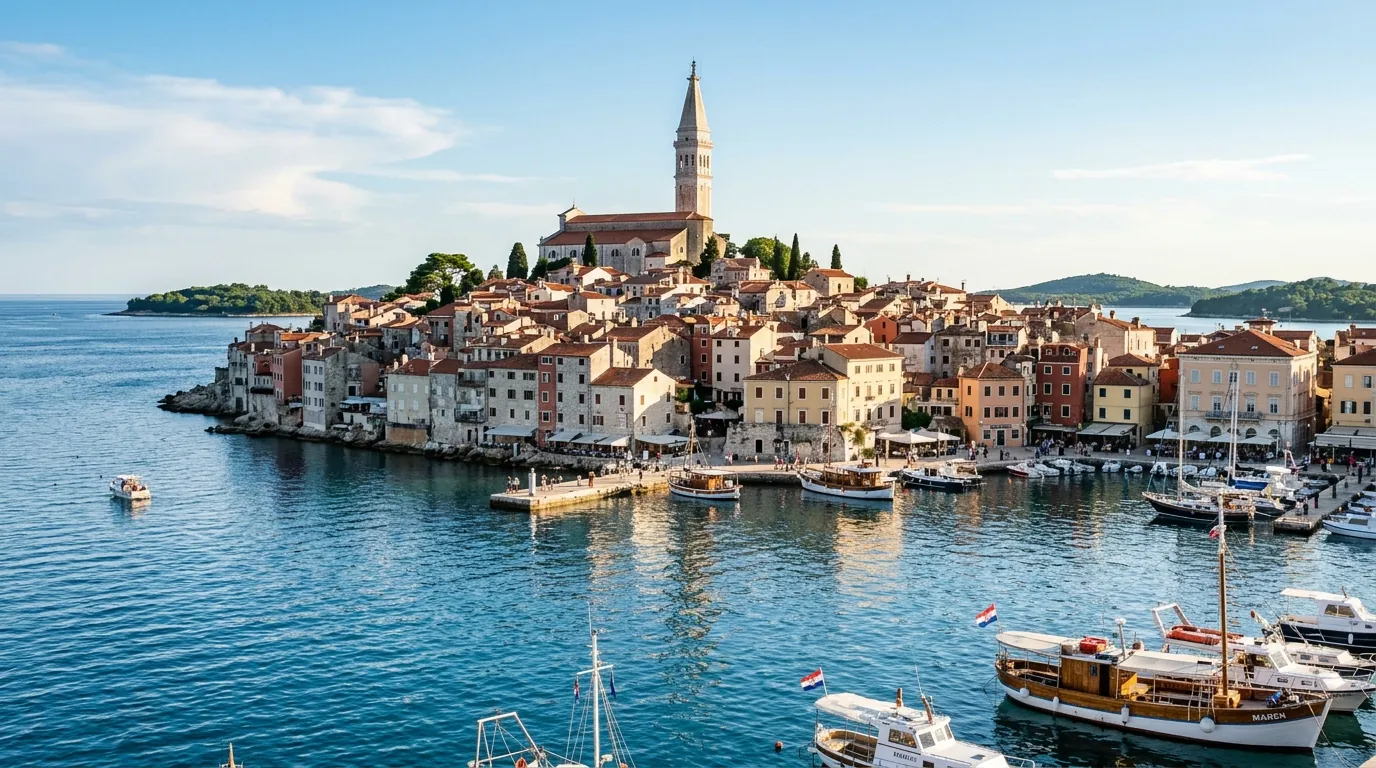
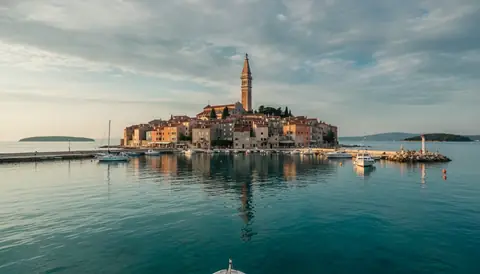
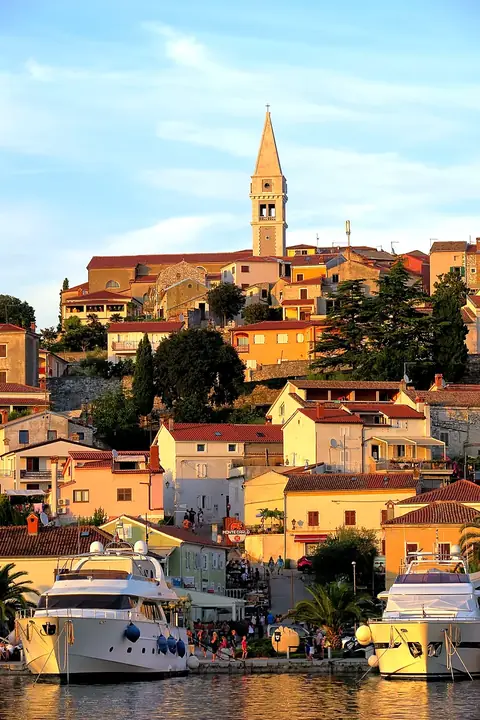
Istria is the largest peninsula on the Adriatic and, for many Central Europeans, the nearest part of Croatia: about six hours from Munich, even less from Vienna or Trieste. Venetian-style towns such as Rovinj, Poreč and Novigrad line the west coast, the Roman city of Pula and wild Cape Kamenjak lie in the south, and in the green hinterland medieval hilltop towns rise above vineyards and truffle forests. Istria is bilingual (Croatian-Italian), Croatia's strongest region for food and has one of the country's longest seasons.
Couples and foodies Rovinj, Novigrad, Motovun, Grožnjan
Families with small children Poreč (lagoons), Medulin (shallow, partly sandy coves), Umag
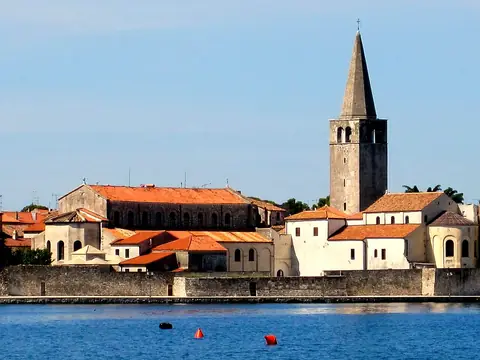
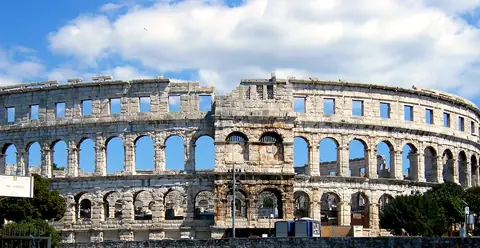
Culture and city Pula with its Arena, Poreč with its UNESCO basilica
Nature and adventure Cape Kamenjak, Lim Bay, Učka, Brijuni
Peace and holiday homes Bale, Svetvinčenat, Hum and the hinterland
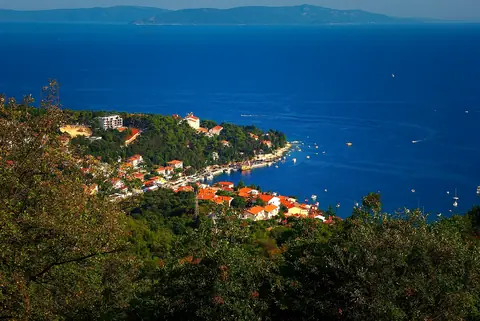
Pebble beaches instead of rock slabs Rabac on the east coast
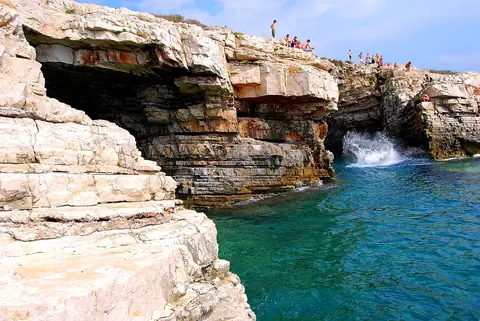
The coast: rock, not sand
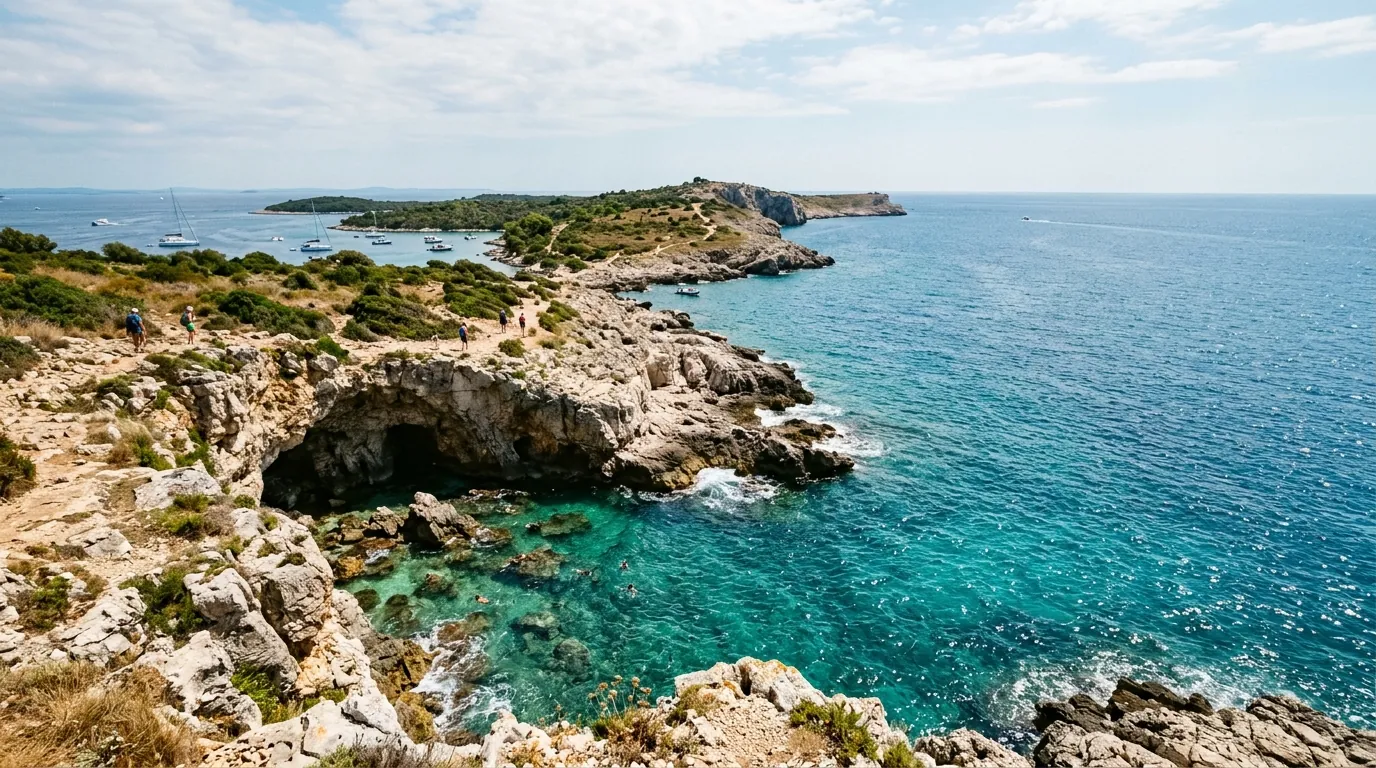
Istria's coast is mostly rocky: flat stone slabs, pebbles and concrete sunbathing areas, with pine woods in between. Real sandy beaches are the exception (Medulin comes closest). In return the water is very clear, many beaches fly the Blue Flag and entry is often gentle. Pack water shoes. The northern Adriatic is a little cooler than Dalmatia: swimming temperatures from mid-June, 24–26 °C in August.
Hinterland: the "new Tuscany"
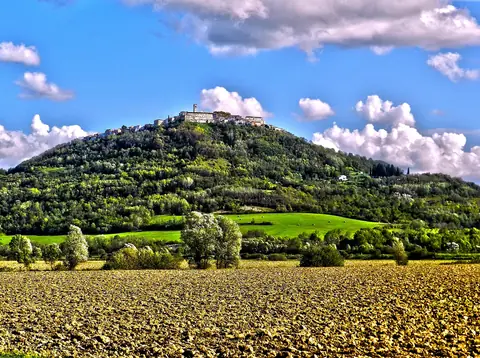
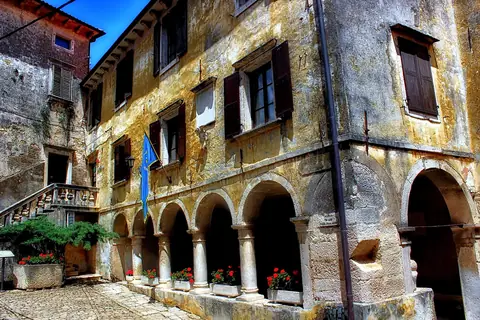
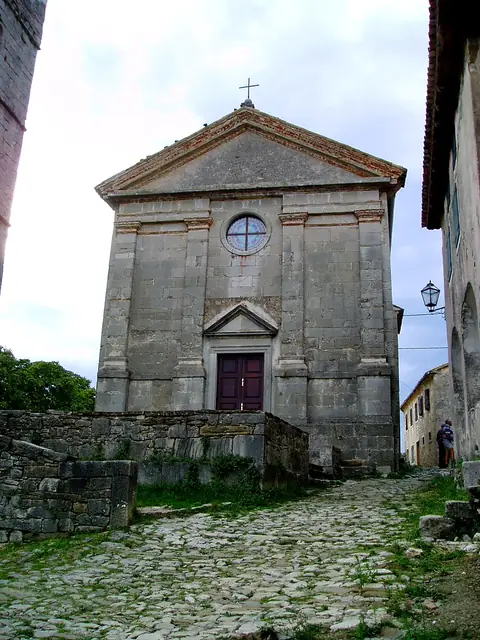
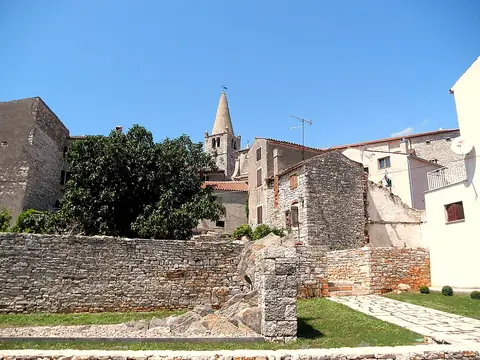
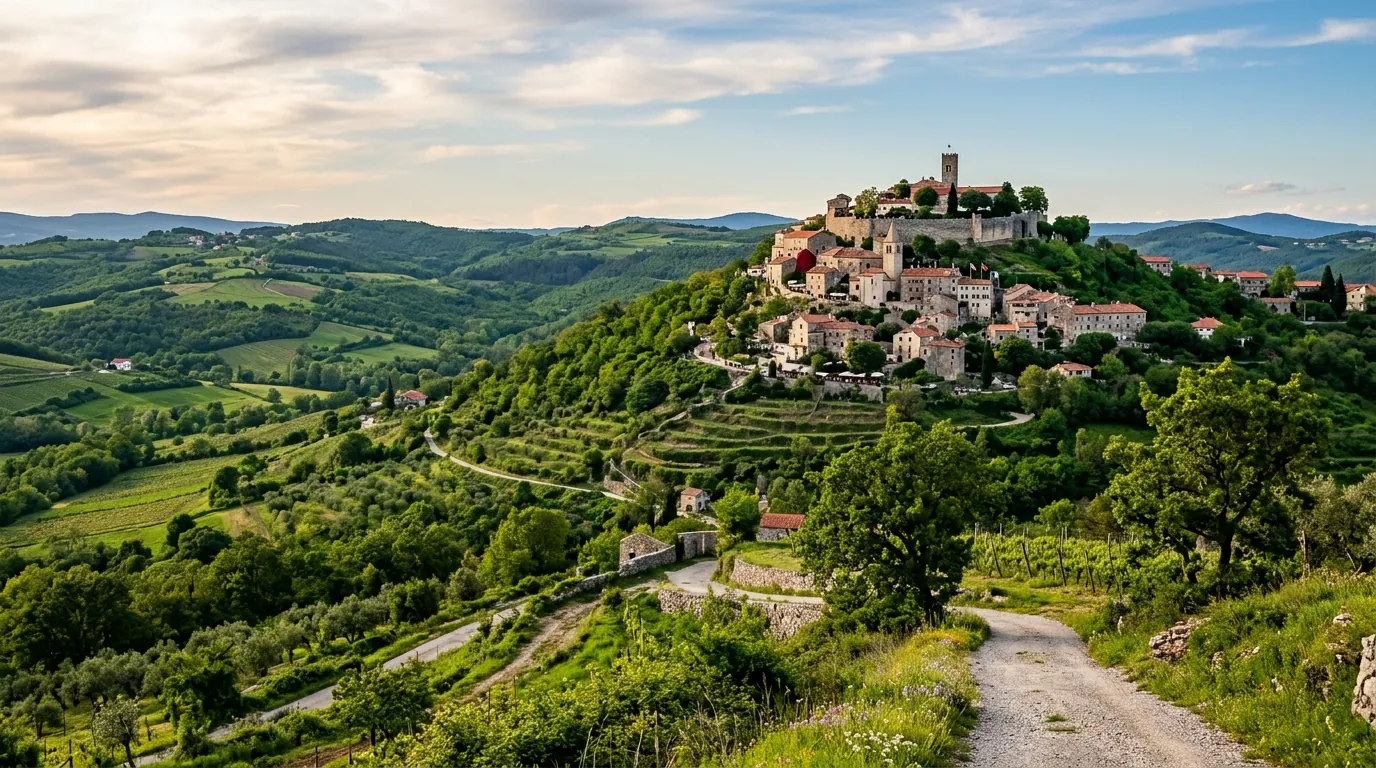
Barely 30 minutes from the coast a different Istria begins: green hills, stone villages, olive groves and vineyards. Motovun, Grožnjan, Hum, Buzet and Oprtalj perch on hilltops above the valleys. White truffles grow in the Mirna valley, Malvazija and Teran on the slopes, and Istrian olive oil is regularly among the world's highest-rated. Many agritourisms and konobas serve fuži and pljukanci pasta with truffles, pršut ham and maneštra soup.
Getting there
By car via Austria and Slovenia (vignettes required) or via Trieste; from the border the Istrian Y motorway (A9/A8) runs to Pula and the Učka tunnel. Pula airport has direct summer flights from many cities; Trieste, Ljubljana, Rijeka and Venice are alternatives. Buses link the coastal towns; the only railway runs Pula–Buzet. A car is almost essential for the hinterland.
Best time to visit
June and September are ideal: warm sea, fewer visitors, fair prices. July and August are hot and busy, especially in Rovinj and Poreč. Spring (flowering maquis, asparagus) and autumn (truffles, grape harvest, olive picking) are the best seasons for the hinterland, for cyclists and foodies. Winter is quiet; Pula and Rovinj stay lived-in, many resorts close.
Note: To protect the personal rights of people shown and to respect third-party copyright, some images on this page are AI-generated. They show typical impressions and may differ in detail from how the places actually look.

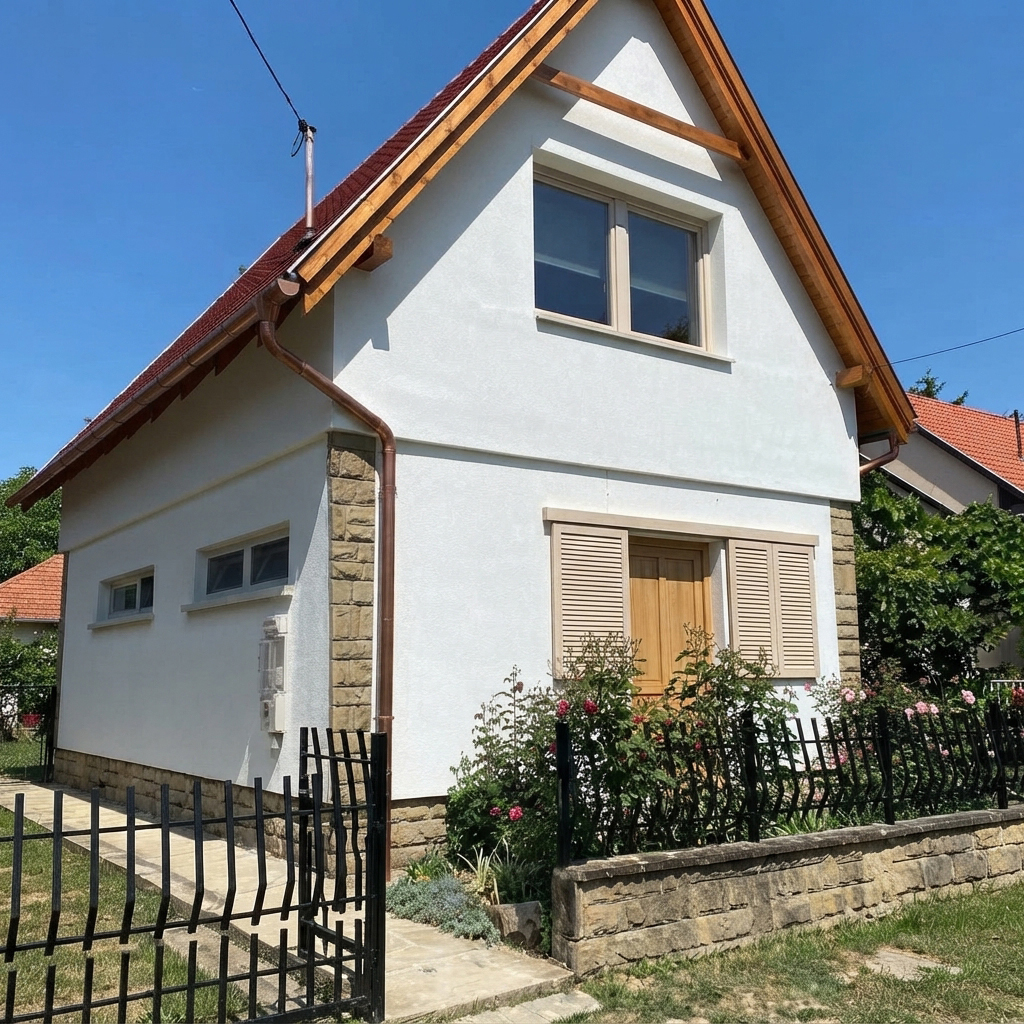 Ferienwohnung VlatkaHoliday home · Labin · up to 4 guestsfrom €99 / night