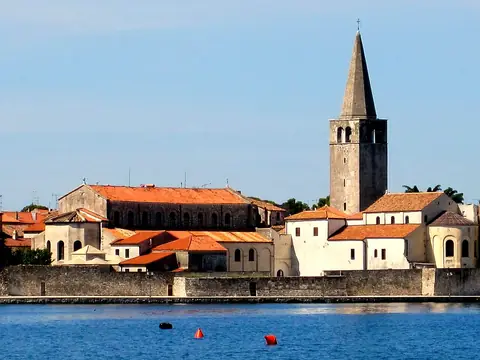
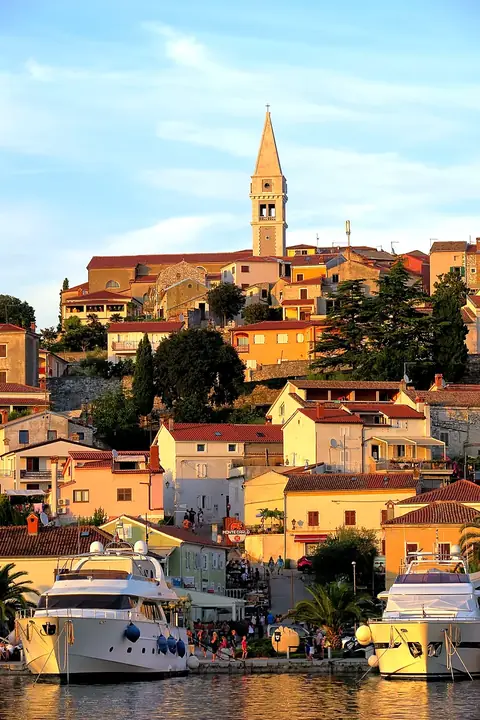
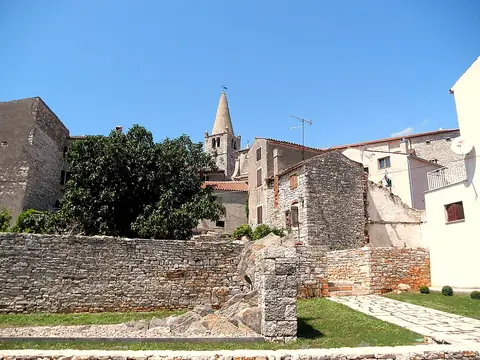
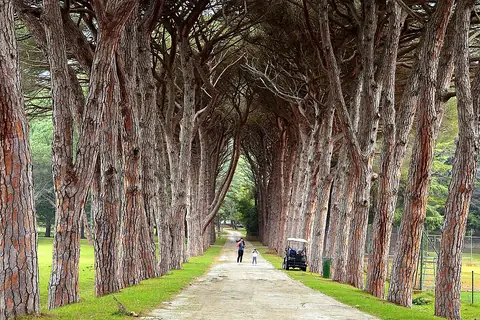
Pula is Istria's largest city and not a classic resort but a lively port and industrial town with one of the best-preserved Roman amphitheatres in the world. Look past the shipyard cranes and you find an old town full of ancient buildings, a packed summer programme of concerts and festivals and, in the south, Cape Kamenjak – one of the wildest stretches of coast on the Adriatic.
At a glance
Region
Istria, southern tip
Airport
Pula (approx. 7 km from the centre)
Landmark
Arena – Roman amphitheatre, 1st century
Best time to visit
May–June and September; July/August for concerts
Ideal for
city breakers, culture fans, active travellers, budget travellers
Year-round
yes – Pula is a living city in winter too
The Arena and ancient Pula
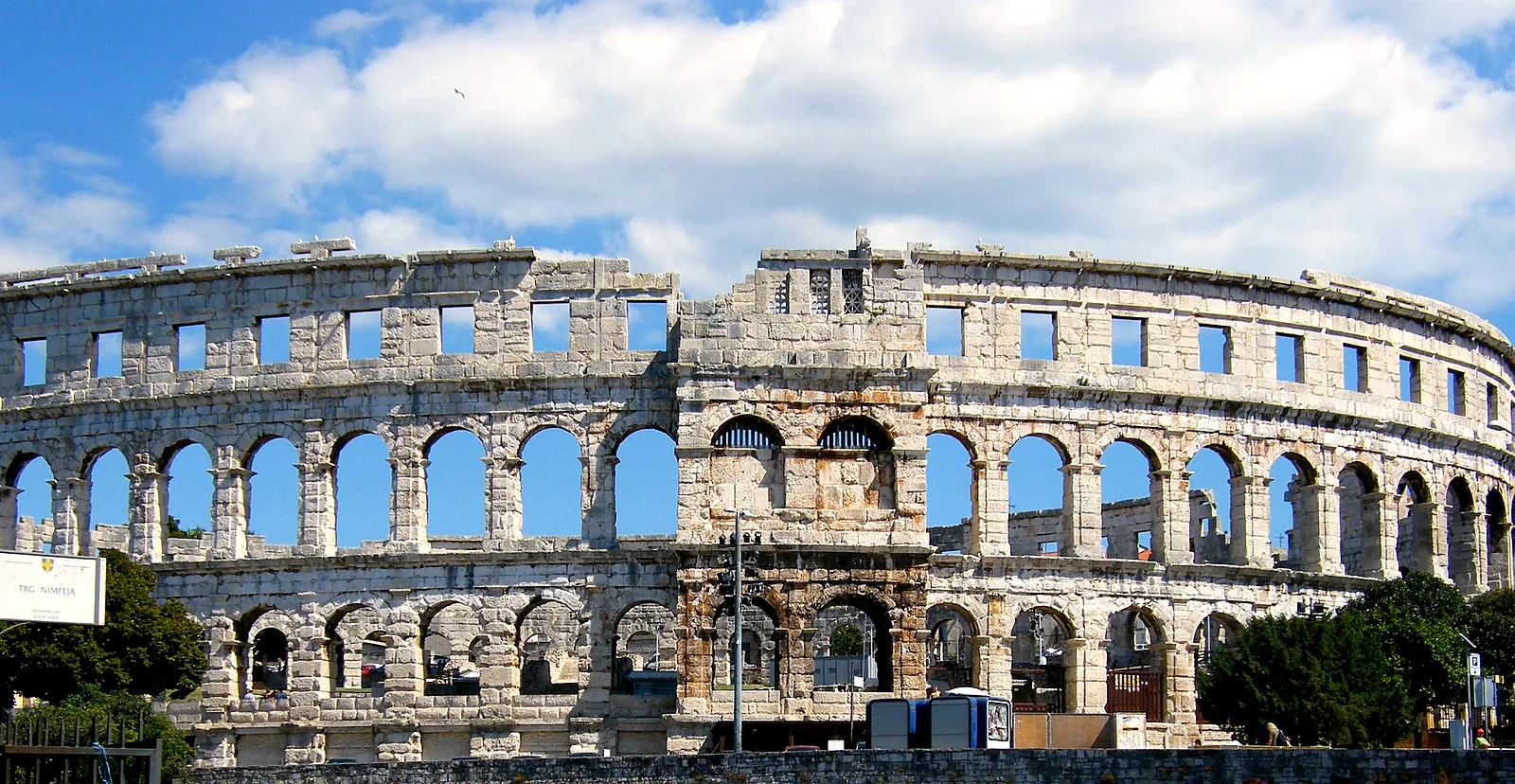
The 1st-century amphitheatre is the sixth-largest surviving Roman amphitheatre in the world and the only one whose four side towers and outer ring wall stand almost completely intact. In the basement an exhibition shows ancient olive-oil and wine presses. Adult admission in 2026 is around €10, concessions roughly half; it is quietest early in the morning or late in the afternoon.
From the amphitheatre it's a ten-minute walk through the old town to the other Roman monuments:
Temple of Augustus on the Forum, the ancient and current main square – next to the town hall and tourist office
Arch of the Sergii (Golden Gate) 1st-century BC triumphal arch, entrance to the pedestrian street Sergijevaca
Twin Gate and Hercules Gate remains of the town walls
"Punishment of Dirce" floor mosaic Roman mosaic, freely accessible behind a residential block near the church of St Mary Formosa
Kaštel Venetian fortress on the hill with the city museum and views over harbour and shipyard
Summer in the Arena: concerts and film festival
In summer the Arena becomes an open-air stage. The 2026 line-up included Lenny Kravitz, Sting, Kraftwerk, Nick Cave & The Bad Seeds and Judas Priest; in July the Pula Film Festival, Croatia's oldest film festival, traditionally takes place. Buy tickets for big names early – and book accommodation for concert nights early too.
Another highlight is the "Lighting Giants": the cranes of the Uljanik shipyard are lit up in colour in the evenings, best seen from the waterfront.
Swimming: Verudela, Stoja and Kamenjak
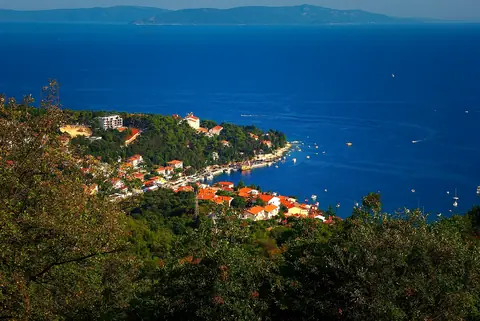
Pula has no beach in the centre, but numerous coves in the southern districts. Typical: rock, pebbles and flat stone slabs, with pine woods in between.
Verudela and Saccorgiana hotel and apartment quarter with promenades, aquarium in the old Verudela fort
Stoja peninsula with pine forest and rocky shores, popular with locals
Hawaii Beach / Ambrela coves with very clear water and a Blue Flag beach
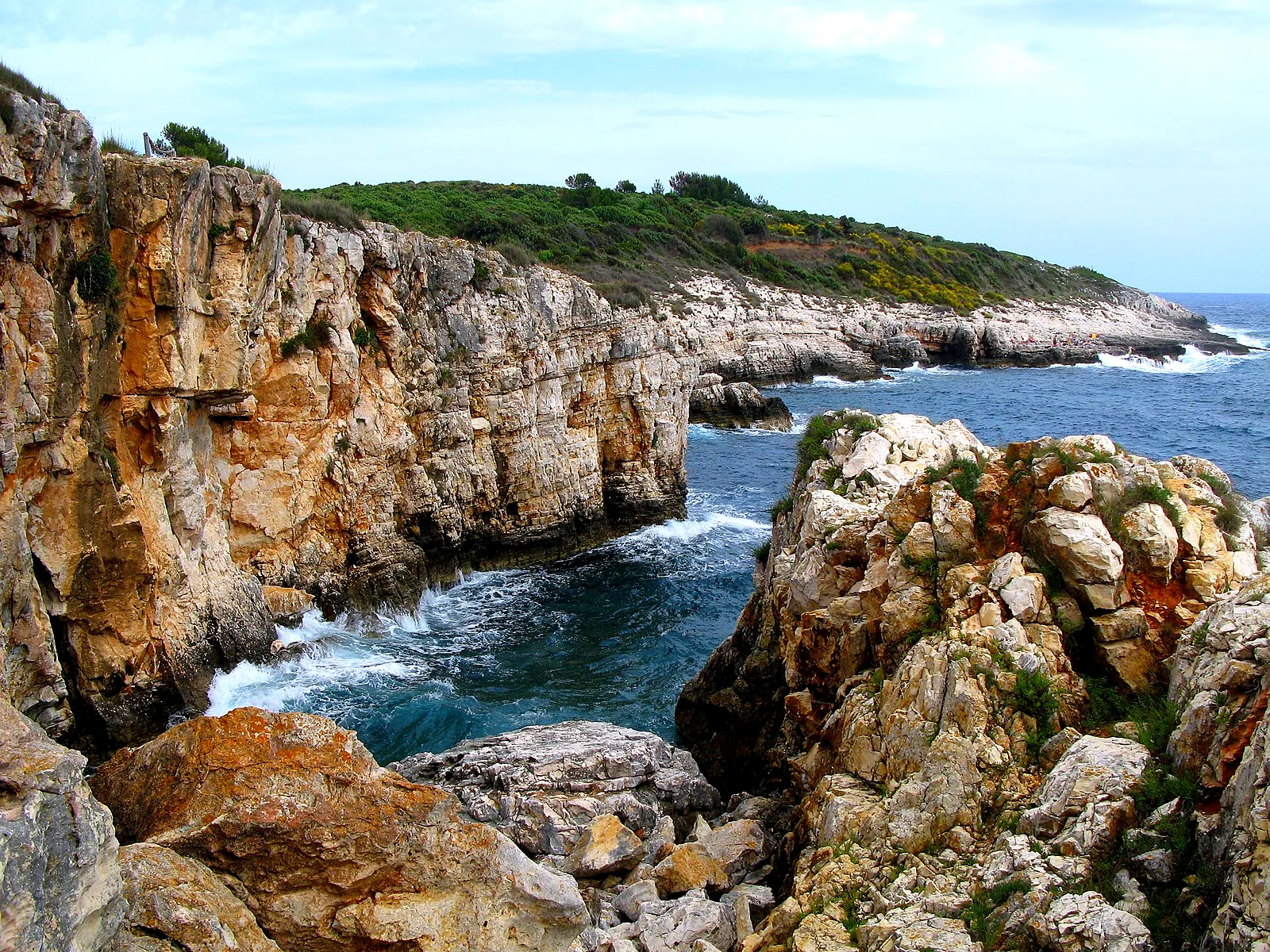
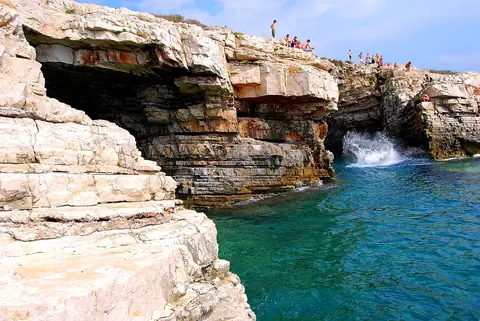
Cape Kamenjak near Premantura protected area about 10 km south of Pula: cliffs, coves, dinosaur footprints, cliff jumping. Free on foot and by bike; cars pay a fee from May to September – in 2026 €20 per car in peak season (15 June–15 Sept) and €10 in shoulder season
Day trips
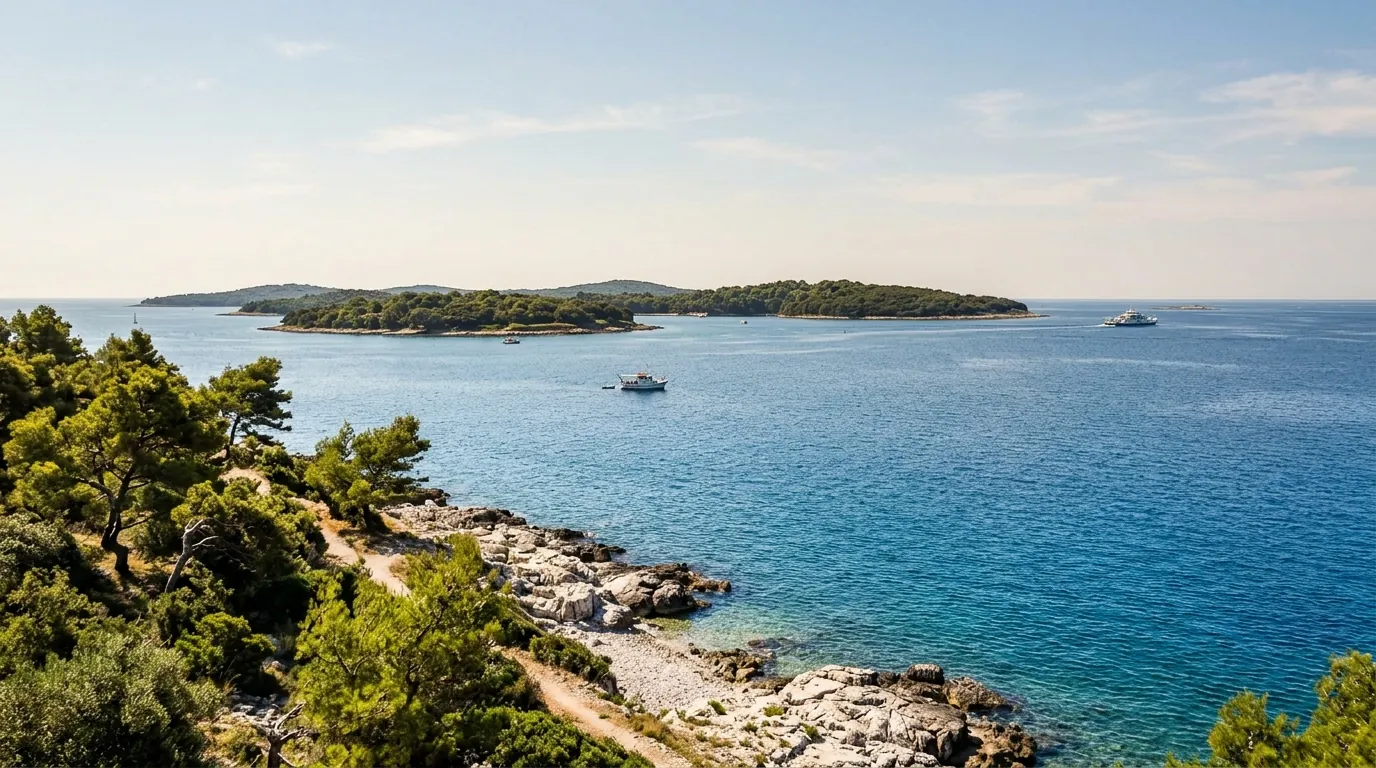
Brijuni National Park island group off Fažana (approx. 8 km north), boats from Fažana, tour by little train, safari park, Roman villa and Tito's summer residence
Fažana fishing village with a sardine festival and promenade, departure port for Brijuni
Vodnjan small town with the mummies in St Blaise's church and olive-oil producers
Medulin and Premantura resorts and Kamenjak, 15–20 minutes
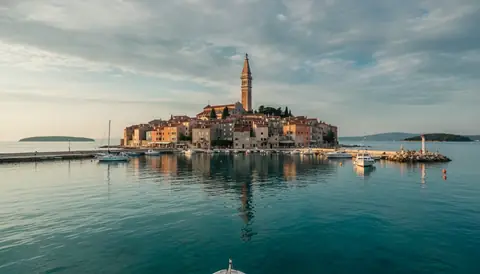
Rovinj 40 minutes north
Getting there and around
Pula has its own airport with many summer flights from Germany, Austria, Poland, the UK and Italy; the centre is about 15 minutes by car. The city is the end point of the Istrian Y motorway (A9) and has a railway station (line to Buzet; connections to Ljubljana/Zagreb only with changes and bus). City buses connect the centre, Verudela, Stoja and Premantura. The centre has paid parking zones and multi-storey car parks.
Honest verdict
Pula is not a postcard town like Rovinj: there are concrete blocks, industry and traffic. In return the city is authentic, lived-in all year and cheaper than the west coast. Ideal if you want to combine culture, city life and beach days, and as a base for southern Istria. For a pure beach holiday, stay directly in Verudela, Medulin or Premantura.
Around €10 for adults (2026), concessions about half. Concerts have separate tickets.
How much does it cost to drive into Cape Kamenjak?
2026: €20 per car in peak season (15 June–15 September), €10 in shoulder season (2 May–14 June, 16–30 September). Pedestrians and cyclists pay nothing.
How do you get from Pula to the Brijuni islands?
By national-park boat from Fažana, about 15 minutes from Pula. In summer, book tickets in advance.
Is Pula good for a beach holiday?
Yes, if you stay in the south of the city (Verudela, Stoja) or in Medulin/Premantura. The centre itself is more city than beach resort.
Note: To protect the personal rights of people shown and to respect third-party copyright, some images on this page are AI-generated. They show typical impressions and may differ in detail from how the places actually look.