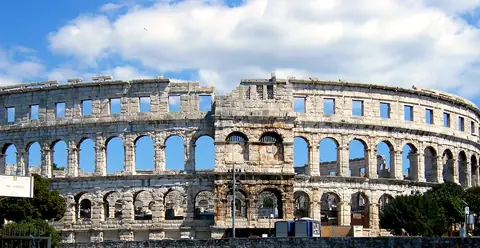
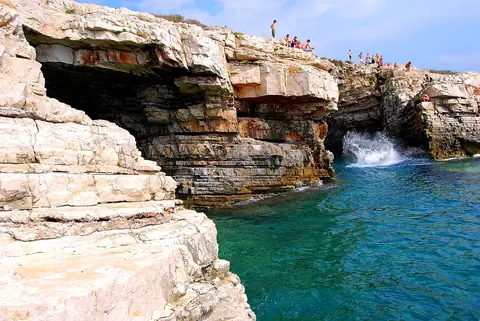
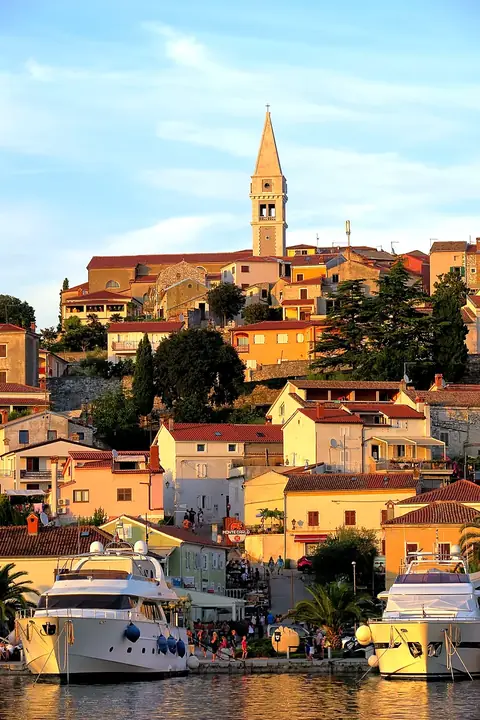
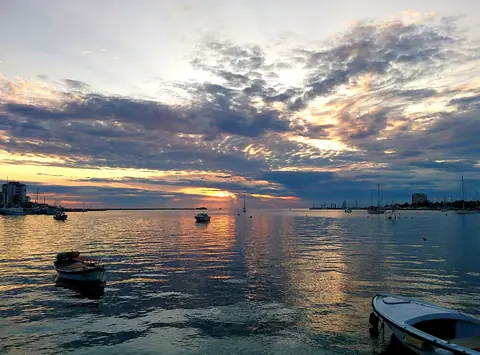
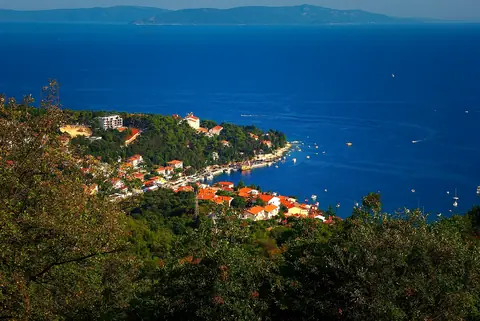
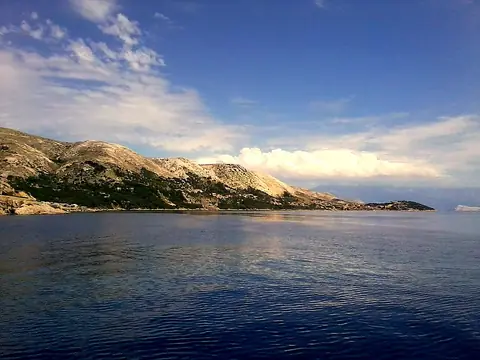
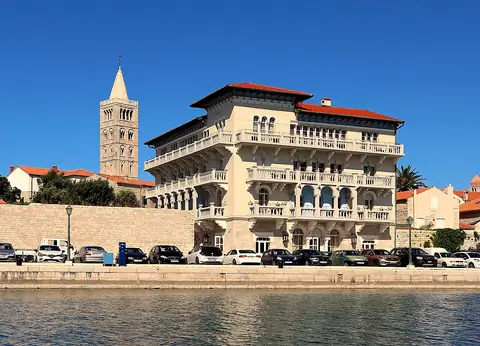
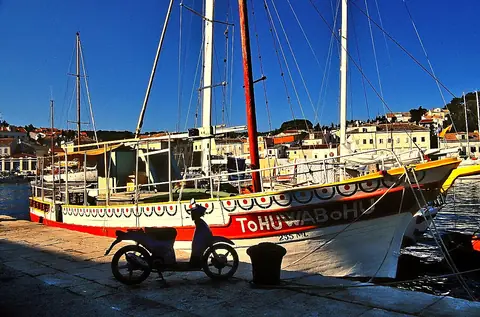
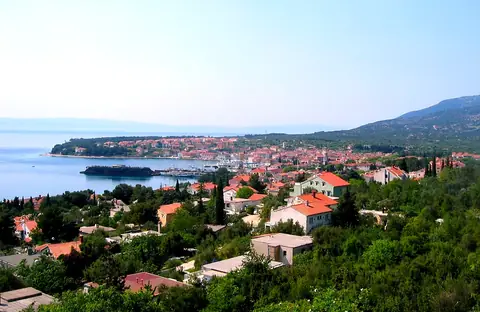
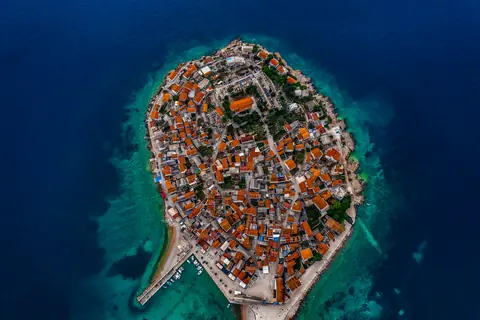
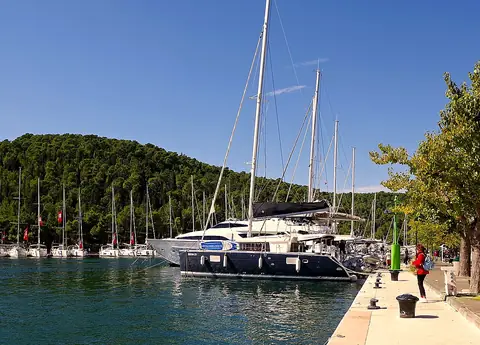
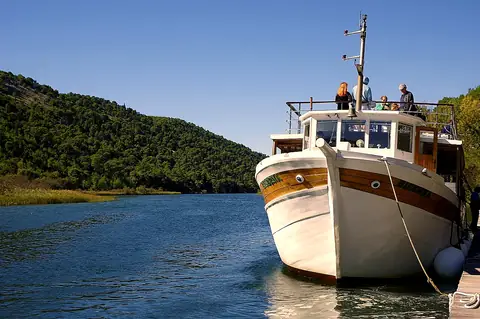
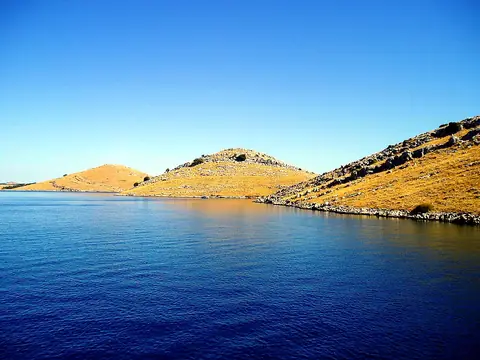
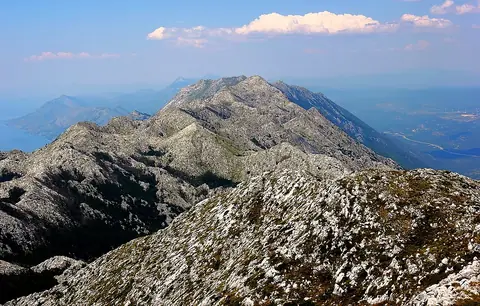
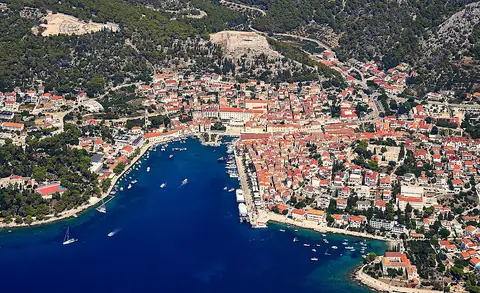
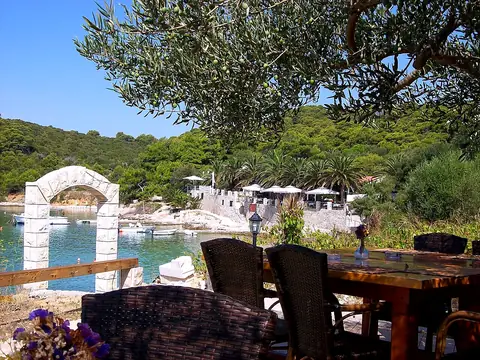
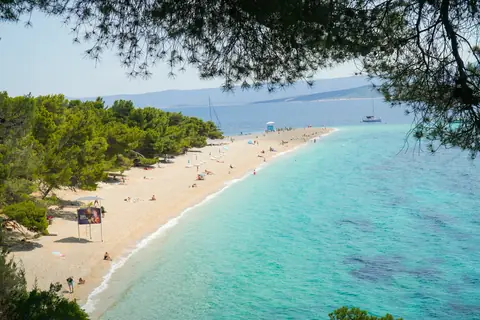
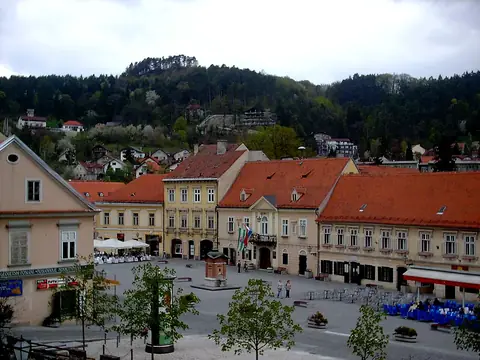
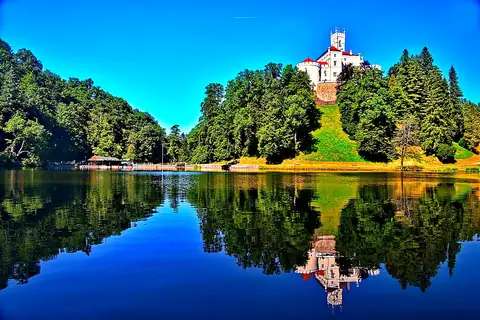
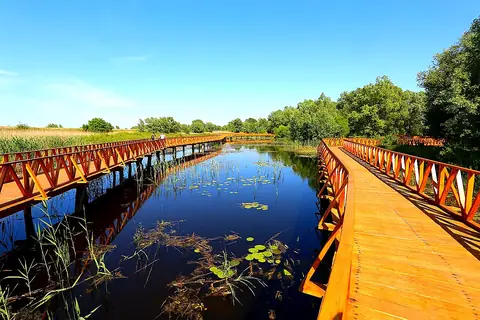
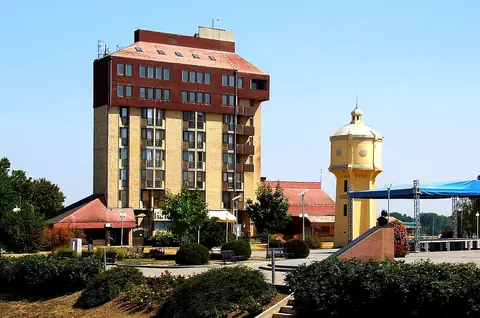
Croatia is more than beaches: over a thousand islands, eight national parks, Roman palaces, Venetian harbour towns, hill villages inland and a capital with Viennese flair. This guide covers 69 destinations in eight regions – with named beaches, real travel times, dated prices and an honest verdict on when it gets crowded and when it's worth it.
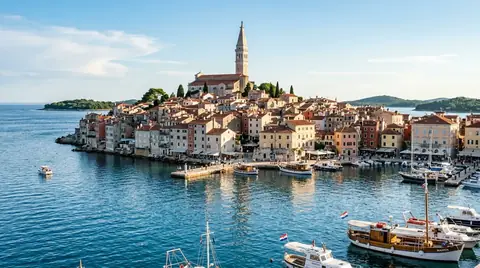
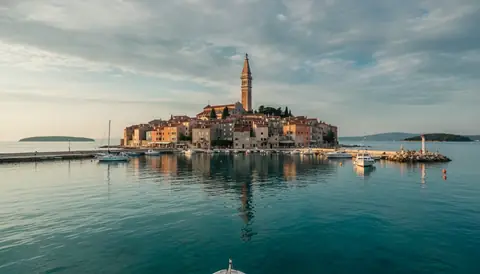
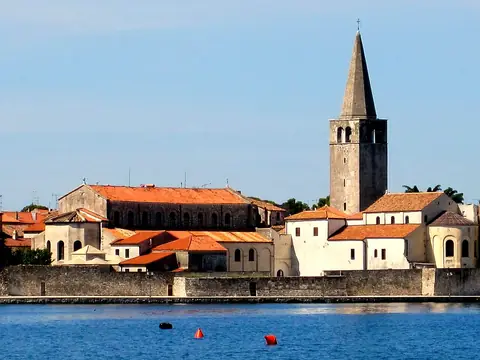
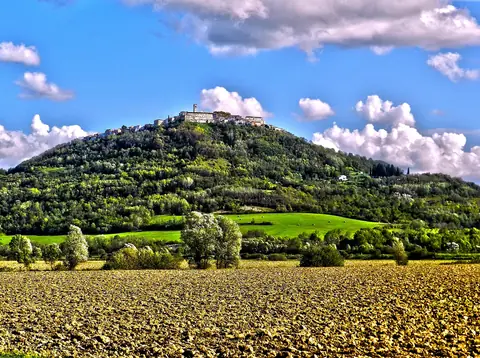
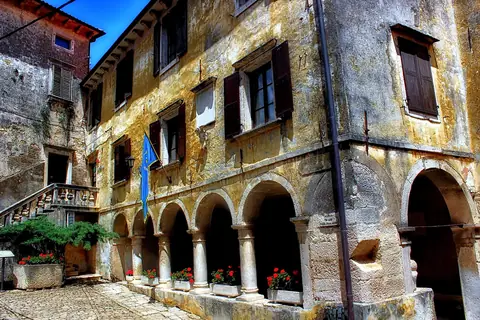
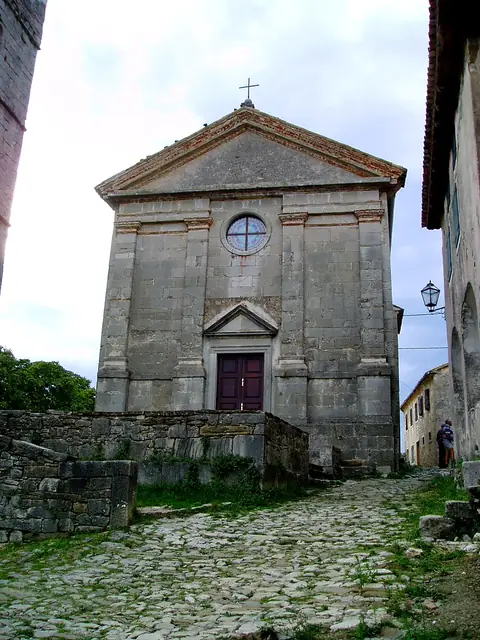
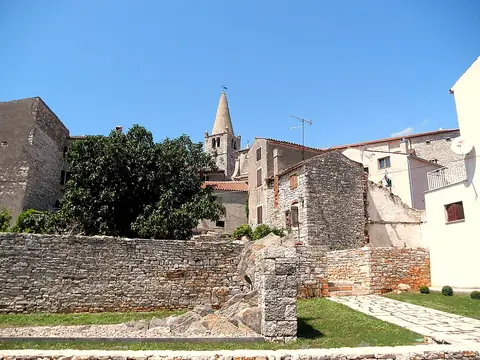
Istria short trip from Central Europe, Venetian towns, hill villages, wine and truffles – ideal for families and food lovers
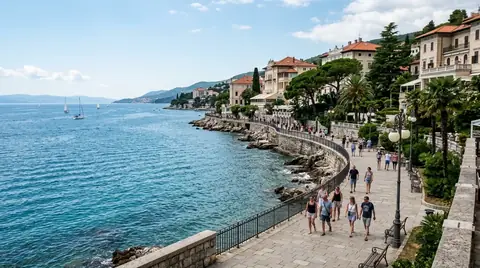
Kvarner Bay Opatija, the islands of Krk, Cres, Lošinj and Rab, mountain forest inland – green and easy to reach
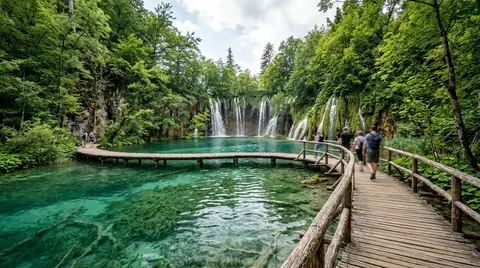
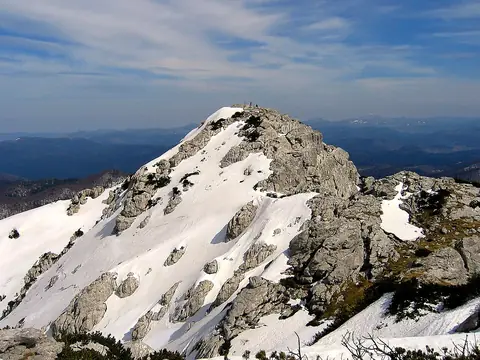
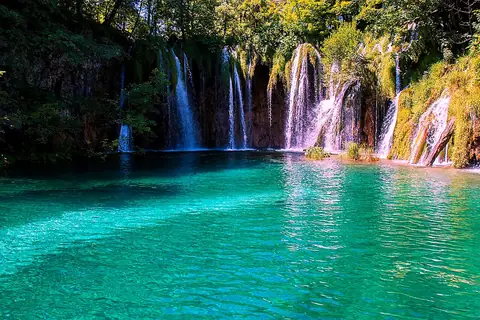
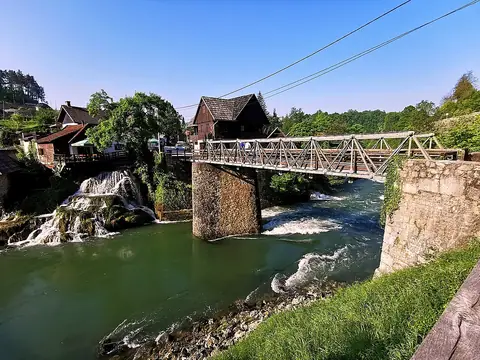
Lika & Velebit Plitvice Lakes, the Velebit mountains and Rastoke – pure nature away from the sea
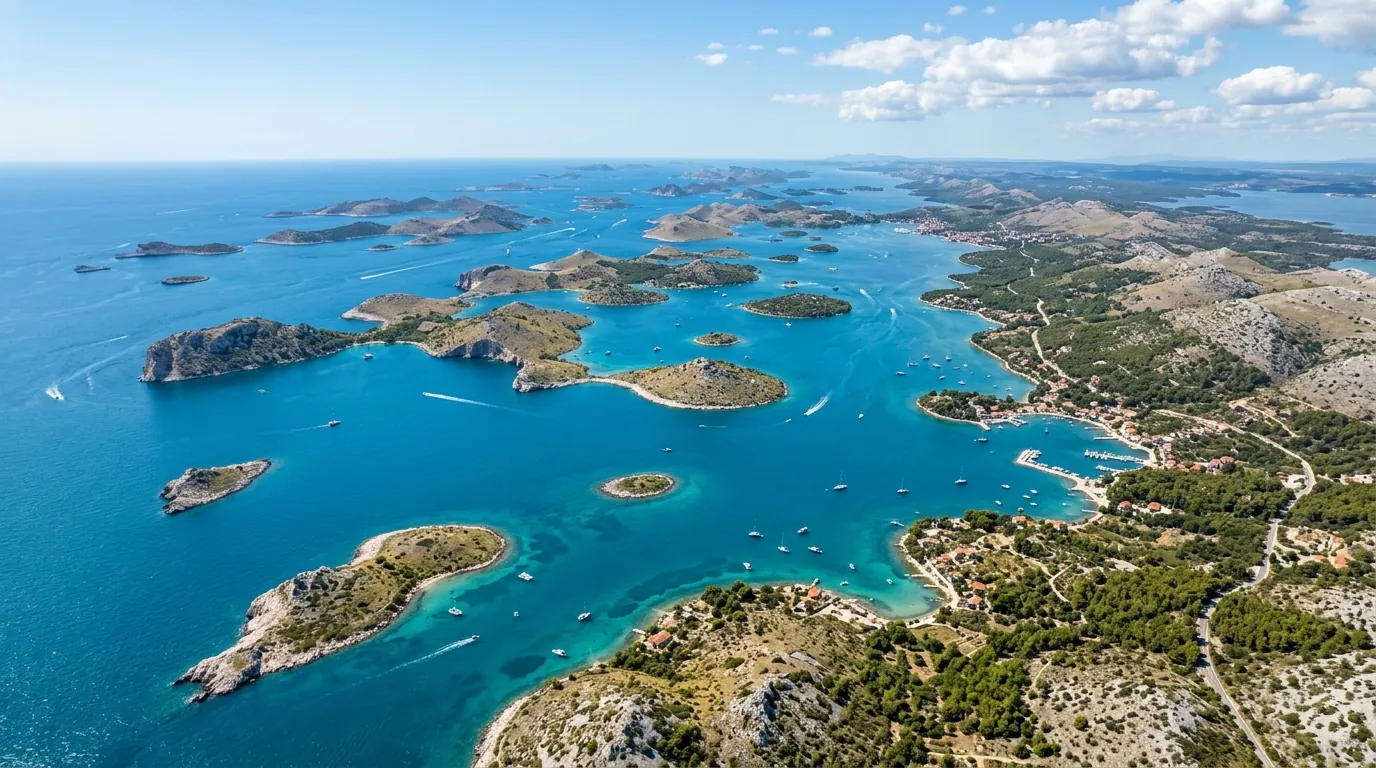
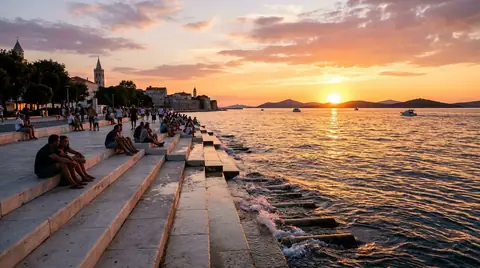
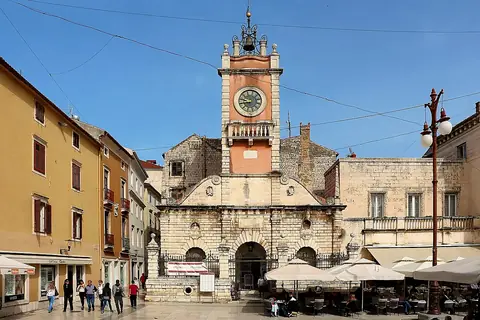
North Dalmatia Zadar, Šibenik, Krka, Kornati and quiet, partly car-free islands – often cheaper than the south
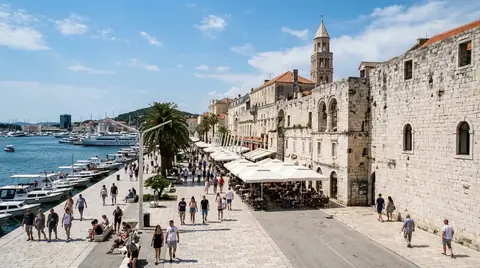
Central Dalmatia Split, Trogir, the Makarska Riviera, Hvar, Brač and Vis – the classic for island-hopping
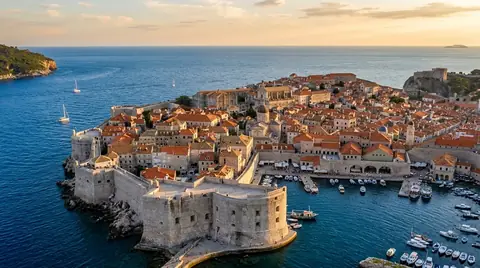
South Dalmatia Dubrovnik, Korčula, Pelješac, Mljet and Lastovo – culture, wine and green islands
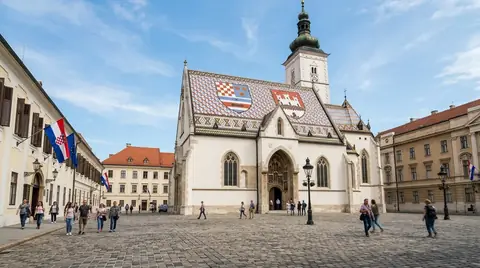
Zagreb & Central Croatia the capital, castles, spas and Advent – worth it in winter too
Slavonia Osijek, Kopački Rit and the Danube at Vukovar and Ilok – few tourists, hearty food
Croatia at a glance
Currency euro (since 2023)
Borders Schengen area since 2023 – still carry ID
Emergency number 112
Language Croatian; on the coast German, English and Italian are widely understood
Tourist tax charged per night, usually included in the accommodation price or paid locally
Ferries mainly Jadrolinija; book car ferries early in high season
When and how?
For most visitors June and September are ideal: warm sea, fewer crowds and lower prices than in July and August. Spring and autumn suit hiking, cycling and cities, December the Zagreb Advent. Many visitors drive in via Slovenia; there are airports in Zagreb, Pula, Rijeka, Zadar, Split and Dubrovnik. See the topics "Best time to visit" and "Getting there" for details.
How this guide is made
Every page names specific beaches, sights and routes instead of generic marketing copy, with dated prices and the local tourist office from official sources. The "Honest verdict" says what isn't so good – crowded old towns, traffic jams or a lack of sandy beaches. For each destination we show holiday apartments and houses that you book on adrialo directly with the host.
It depends on your holiday style: Istria and Kvarner for a short journey and families, Dalmatia for islands and old towns, Lika and Slavonia for nature away from the coast.
When is the best time to visit Croatia?
June and September – the sea is warm, places are more relaxed and prices are lower than in high summer.
Do you need cash in Croatia?
Croatia uses the euro; cards are accepted almost everywhere, but some cash is handy on small islands and in konobas.
Note: To protect the personal rights of people shown and to respect third-party copyright, some images on this page are AI-generated. They show typical impressions and may differ in detail from how the places actually look.